

The Yorkshire air in Emmerdale is thick with more than just the usual rural tranquility. Beneath the picturesque surface, a simmering pot of Dingle drama is threatening to boil over, fueled by stubborn pride, unspoken desires, and the age-old battle of the sexes. In a series of events that have left viewers breathless and characters teetering on the brink, the iconic Dingle family finds itself embroiled in a complex web of personal turmoil, testing the very foundations of their famously resilient bonds.
The current tempest centers around a seemingly innocuous invitation: a dance class. For many, it would be a harmless pursuit, a chance to learn a new skill or simply shake off the cobwebs. But for the Dingle clan, it’s a powder keg. The initial spark is lit by a desire for connection, a yearning for shared experiences that transcends the gruelling realities of village life. The proposition, however, is met not with enthusiastic agreement, but with a swift and resounding retreat.
Sam Dingle, a man whose gruff exterior often masks a surprisingly sensitive soul, has vanished. His early morning departure, a familiar ritual for the hardworking villager, has taken on an ominous hue. The reason for his unexplained absence? A simple question, posed with what appears to be genuine affection, about attending a dance class. The mere suggestion has sent Sam scurrying, his pride, that ever-present Dingle characteristic, refusing to yield.

His sister, the ever-observant and often exasperated Belle, voices the collective bewilderment and frustration. “Dingle men and their pride,” she sighs, the weariness in her tone palpable. It’s a sentiment echoed by many who have witnessed the Dingle men’s penchant for digging their heels in, for mistaking stubbornness for strength. Yet, there’s an underlying understanding, a grudging acceptance of this ingrained trait. Belle, despite her annoyance, predicts Sam’s inevitable return, anticipating his scramble back when he realizes the tangible consequences of his hasty departure – the forgotten “snap” (a packed lunch), a small but significant symbol of his reliance on his family.
The offer to relay a message to the errant Sam is met with a firm refusal. “No, leave it. It’ll all come out in the wash, I’m sure.” This cryptic statement hints at a deeper understanding of Dingle dynamics, a belief that these internal squabbles, however explosive, will eventually self-resolve. It’s a testament to the family’s enduring spirit, their ability to weather storms and emerge, albeit scarred, still standing.
Meanwhile, the domestic sphere within the Dingle household is not without its own tensions. The mundane tasks of everyday life are amplified by the undercurrent of unspoken issues. The plea to “get a shift on the doom doing my head in” speaks volumes about the pressures and frustrations that plague even the most ordinary of moments. The threat of disabling the Wi-Fi, a modern-day weapon of parental control, underscores the constant negotiation for attention and compliance within the family unit. It’s a stark reminder that even when not directly involved in the grand dramatic narratives, the Dingle lives are a constant juggling act of responsibilities and desires.
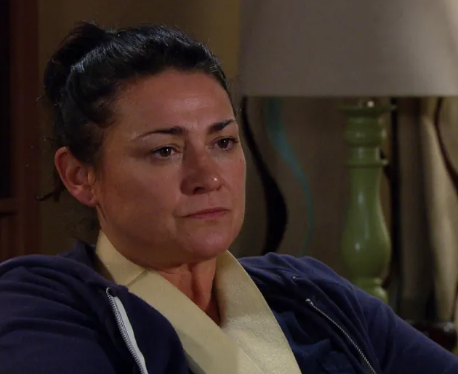
The question, “Now, are you sure you don’t want me to come with you?” directed towards an unnamed character embarking on a solitary task, adds another layer of intrigue. The reassurances, “I’m fine. I’m just glad to get it done, t…” are cut short, leaving a tantalizing ellipsis hanging in the air. This moment, seemingly minor, hints at a personal burden, a task that the individual is eager to complete, perhaps to escape an uncomfortable situation or to finally put an end to something that has been weighing heavily on them.
The impact of these events extends far beyond the immediate confines of the Dingle household. Sam’s pride-fueled exile, though seemingly self-imposed, creates ripples throughout the village. His absence from his usual routines will be felt, and the speculation surrounding his whereabouts will undoubtedly fuel village gossip, a constant currency in Emmerdale.
The unspoken tensions between characters, the subtle power plays, and the moments of vulnerability all contribute to the rich tapestry of Emmerdale’s enduring appeal. The show has a masterful ability to weave together the grand pronouncements of love and betrayal with the quiet struggles of everyday life, creating a narrative that resonates deeply with audiences. The current Dingle saga, with its exploration of pride, reconciliation, and the complexities of familial relationships, is a testament to this skill.
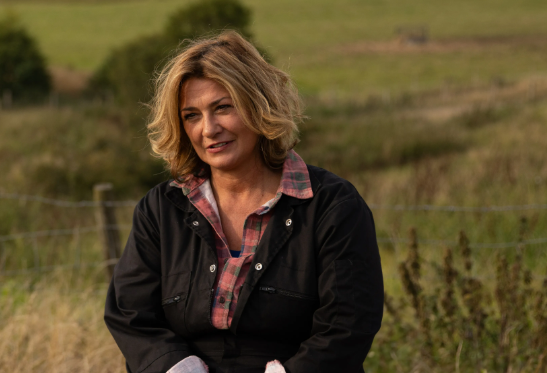 As the sun sets over the Yorkshire Dales, one can only speculate on the eventual resolution of Sam’s dance-related disappearance. Will he return with a newfound appreciation for ballroom? Or will his pride remain a formidable barrier? Whatever the outcome, one thing is certain: the Dingle family, in all its glorious, messy imperfection, will continue to captivate, entertain, and keep Emmerdale’s storylines burning bright. The stage is set, the players are in position, and the next act of this dramatic unfolding promises to be as compelling as ever. The heat, both literal and metaphorical, is on.


